
Reformist MPs: Do They Really Represent The Labour Movement?

Published by Stephen Milward in Politics · Friday 19 Dec 2025 · 4 minutes
Tags: Reformist, parliament, class, bourgeoisie
Tags: Reformist, parliament, class, bourgeoisie
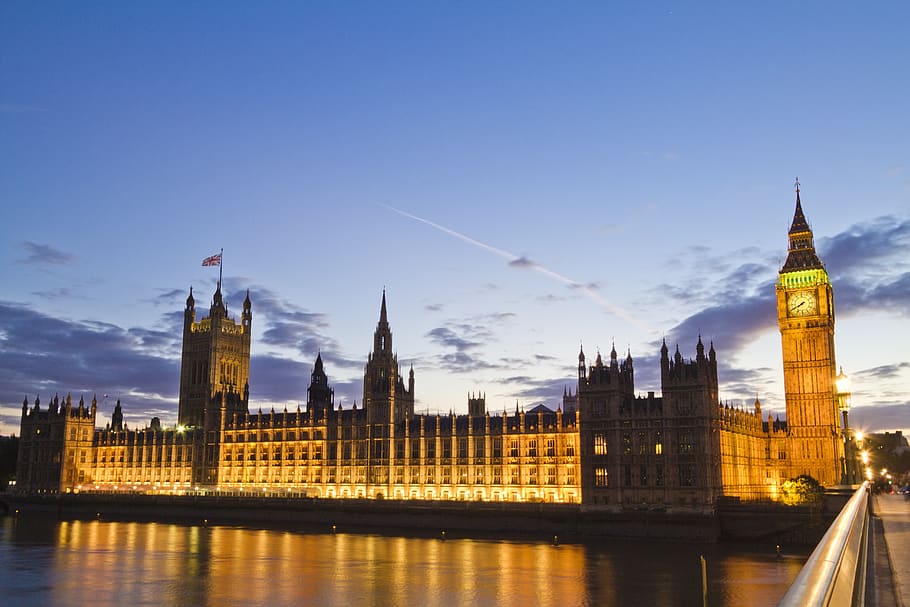
People may look at the current Labour government and ask simple questions: what are they for, who do they represent and why, if they represent the weak and poorest in society do they consistently act against them?
In the U.K. parliamentary system,. Labour MPs are distanced from the Labour party and its members. They may take soundings but act via their own views. They are not immediately accountable to the party membership or organisation. The leader of the party is an MP, so is the deputy leader. There is a National Executive Committee which draws up the party manifesto, but as we have seen from the current government, the manifesto is a collection of pledges that in reality are meaningless.
So why does this happen? I can only quote at length from Alan Woods in his book 'Bolshevism: The Road To Revolution'. (i)
'The laws governing parliamentary activity can be observed in the parliamentary fractions of reformist workers' parties at all times. The pressures of the ruling class, its ideology and institutions is nowhere so intense as in the parliamentary hothouse. The bourgeoisie has perfected over a long period the necessary mechanisms for bribing, pressuring, and corrupting the parliamentary representatives of the proletariat. Unless the latter are thoroughly imbued with class consciousness and the necessary theoretical understanding to enable them to see through the tricks and manoeuvres of the enemy, they will inevitably tend to succumb to pressure and get sucked into the parliamentary morass of committees, procedure, points of order, and worse. It is not necessarily a question of direct personal corruption, careerism, bribes etc., although all of these weapons are actively employed to buy off the workers' leaders. In the case of right-wing reformists, many are themselves middle-class lawyers, doctors, and economists standing far closer in their lifestyle and psychology to the bourgeoisie than to the workers they profess to represent. Even the most honest left reformers, even devoted workers from the factory floor steeled in years of struggle, can rapidly fall under the spell of the rarefied atmosphere of this artificial world, far removed from the reality of the class struggle.
For the reformist party, which in any case subordinates everything to the question of electing members of parliament, the independence of the parliamentary fraction from the party, the sacred right of each individual deputy to 'follow his or her conscience', is accepted as normal. This is just another way of expressing the independence of the reformist leaders from the working class, and their absolute and total dependence on the bourgeoisie. But for a revolutionary party, for which the parliamentary struggle is only one element in the general struggle of the working class to change society, this is unthinkable. The party, as the organised expression of the most conscious elements of the proletariat, can and must exercise control over its elected representatives at all levels, above all its members of parliament.'
In the above passage, Woods discusses the different elements of reformist and revolutionary parties in relation to the Bolshevik deputies in the Russian Fourth Duma in 1912. However the points made are applicable to today's situation, where reformist Labour MPs are, to say the least, aware of the bourgeoisie's talents, and some succumb to them. How many of the Labour MPs in 2025 are from the working class? How many in the Cabinet? How many have been given knighthoods as a reward for 'doing the right thing'? Why do Labour MPs accept places in the House of Lords, the very antithesis of democracy? Are they so stupid as to think that they relate to the working class when they enjoy the benefits of peerage? I cannot believe that they do. And as for engaging with the monarchy, it beggars belief that the Windsors, with their birth privileges, ceremonies and mysticism would allow workers to meaningfully engage with them.
Just to emphasise the issue, the Unison trade union has a new leader, who seems to recognise the issue calling out Labour's right-wing.
No, dear reader, don't be fooled into thinking that reformist parties and MPs are on the side of the workers. Along with gravity and magnetism, greed is a powerful and still corrupting force.
(i) 'Bolshevism: The Road To Revolution' Alan Woods, Second Edition 2017 pages 424-425, used with permission.
