
Memories of Science TV: 'From Earth To Miranda'

Published by Stephen Milward in Science And Technology · Thursday 16 Apr 2026 · 2 minutes
Tags: Memories, Science, TV, From, Earth, To, Miranda, nostalgia, documentaries, space, exploration, education, entertainment
Tags: Memories, Science, TV, From, Earth, To, Miranda, nostalgia, documentaries, space, exploration, education, entertainment
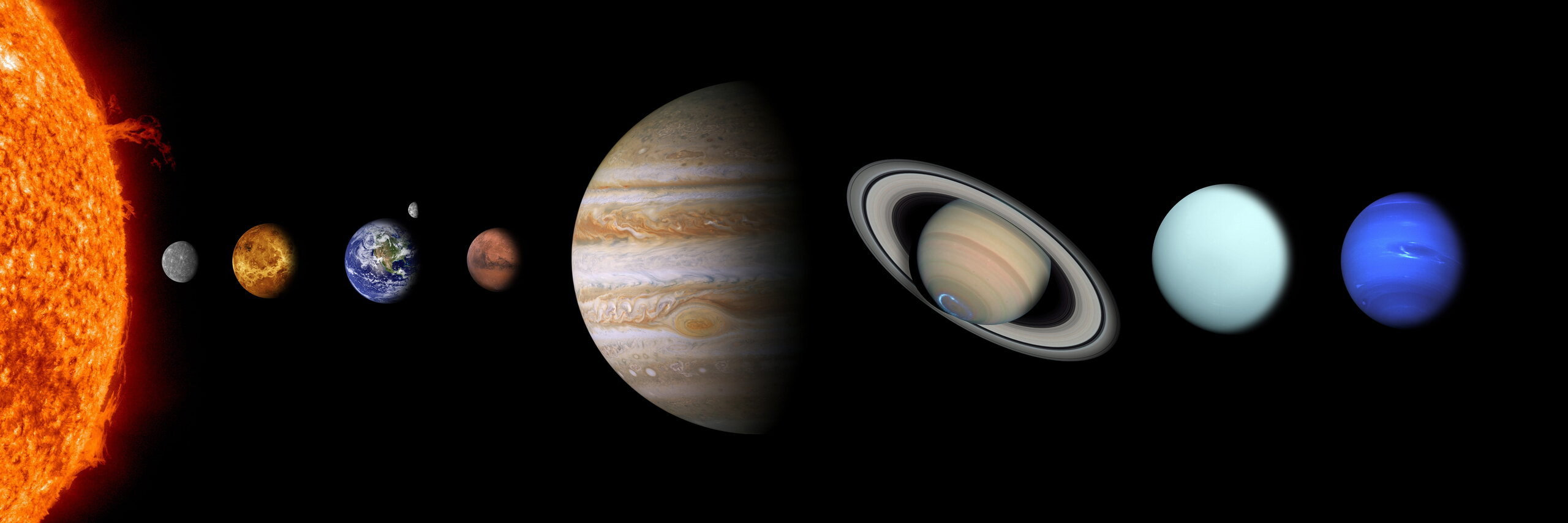
Every so often, a TV event seems to capture the spirit of the times and hence becomes memorable years after transmission. The BBC science series 'Horizon' (i) had many such episodes, but the one that on Planet Milward is still talked about with affection is 'From Earth To Miranda'.
The programme, narrated by Martin Jarvis (ii), features the Voyager 1 (iii) and Voyager 2 (Iv) missions to explore the solar system on a 'Grand Tour'.
The programme aired on January 29 1990 (Jenni had just had her fifth birthday). Near the start of the programme, events at the time sets the scene, including the death of Elvis Presley (v). We see the scientists who worked on the missions, including Linda Morabito (vi), who discovered volcanic activity on Jupiter's moon Io (vii). The programme also featured animations of the Voyager's flightpaths, which by today's standards are almost childish, but at the time were brilliant.
But what made 'From Earth To Miranda' exceptional was that it captured the moment. Manned spaceflight was not seen in terms of exploration. It was left to the Voyagers to explore, discover and explain. It played to our curiosity, to our sense of surprise and wonder about what was found. Most importantly, the Voyagers asked more questions for future generations to answer.
No matter what distance they are from earth, the Voyagers are still with us. Humanity's urge to push boundaries and explore have never had better champions.
You can watch 'From Earth To Miranda' below:
(i) Wikipedia: Horizon
(ii) Wikipedia: Martin Jarvis
(iii) Wikipedia: Voyager 1
(iv) Wikipedia: Voyager 2
(v) Wikipedia: Elvis Presley
(vi) Wikipedia: Linda Morabito
(vii) Wikipedia: Io
