
Asthma: How I Live With It

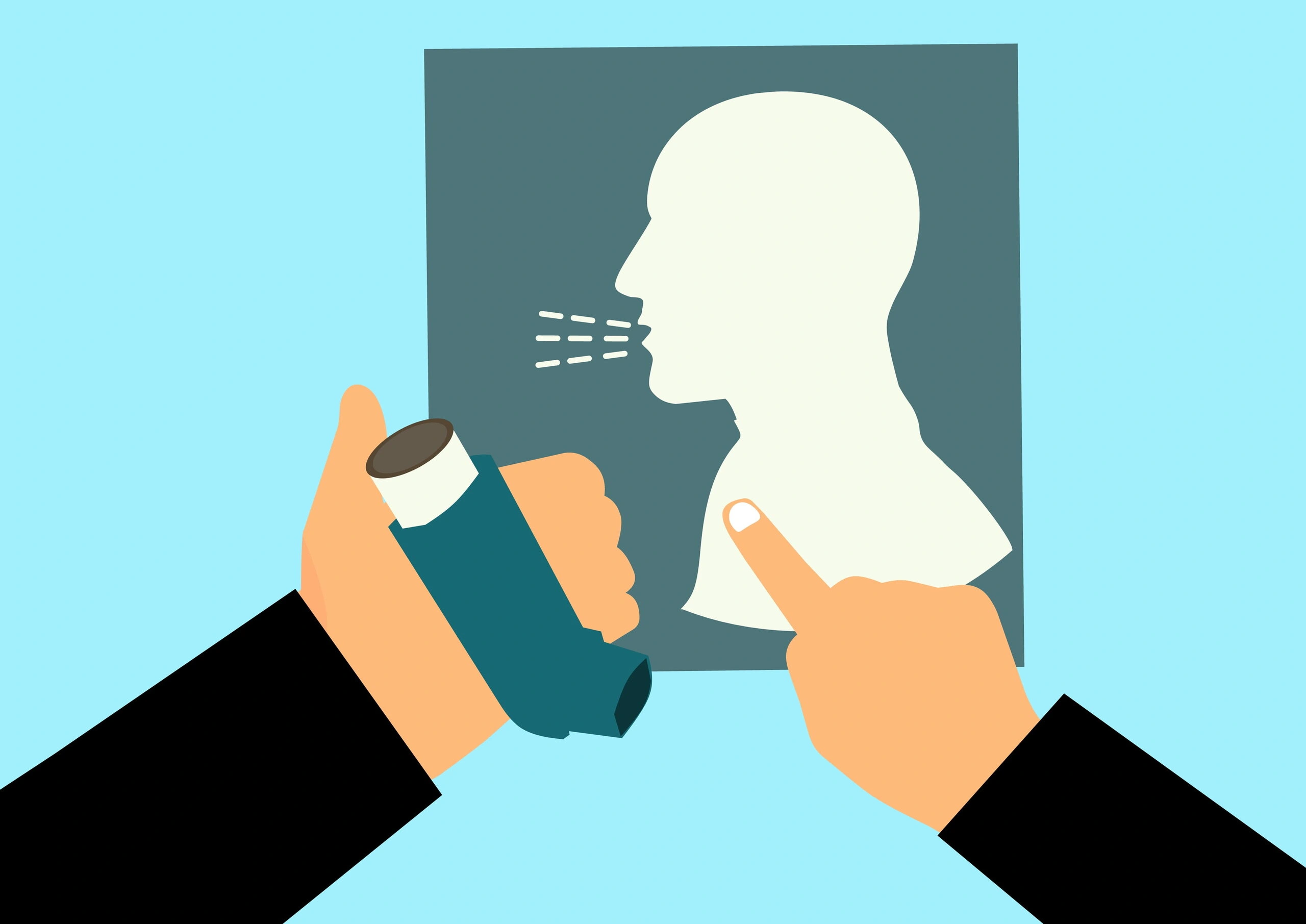
I had no family history of asthma. It wasn't on the agenda at all in my life. Then, at 66 years old, I developed it. It was completely out of the blue. I've never smoked and had never been exposed to risk factor in my working life. How I got it is a mystery, but I do have it and have had to make some adjustments to manage it properly.
Asthma is a lung condition making air transport to your lungs difficult because of narrowing of the airways. You can feel short of breath, have a cough, start wheezing and feel a tightness across the chest. Bad attacks can be very serious. It has many triggers - weather, pollution and stress are common ones.
How to use a Turbohaler inhaler
Asthma is common. Around 7.2 million people have it, but not all are under treatment. (i)
Make sure your GP is asthma aware. I think I had asthma for around three years and my GP didn't diagnose it. It was only when I had a serious attack that I was taken to hospital and treated.
Treatment is, in my case, using inhalers. They are used every day, no matter what the weather. I use Symbicort (ii) every day and have Salamol for emergencies. If I leave the house for an extended time, these go with me. I also do flow test twice a week and record the results in a spreadsheet.
I have an asthma plan (iii), developed with my asthma nurse. This is reviewed annually. I can contact my asthma nurse at any time.
I've just had my asthma annual review. A new plan has been made for me and I'm going to change my inhaler, stopping using a spacer. Here's a video about using my inhaler.
Although I've had to adjust to asthma, I manage it successfully. Take the right steps and your chances of living well with asthma increase.
For guidance, help, advice and information, visit the Asthma + Lung UK website, which addresses not just asthma but other lung conditions. It's an invaluable resource.
(i), (ii), (iii) Asthma + Lung UK Website
